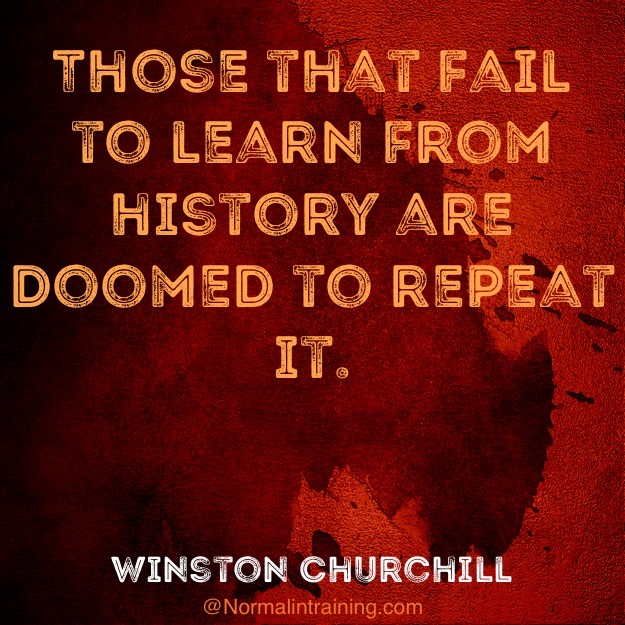
We are facing a difficult time in American history. A time that is eerily similar to previous periods of history where lots of bad things happened–in our country and around the world. People often say that we study history so that we can avoid repeating it. But I’m not sure that’s a given. Take the Bible, for example. In Genesis we learn early on about a sibling rivalry that turned murderous. And when God asked Cain where his brother was, he asked sarcastiically if he was his brother’s keeper. So murdering of family members, denial, lies, and gaslighting have been around for the entire existence of the human race.
Moreover, when Jesus was preaching about how to enter the kingdom of God, he did not primarily use history lessons from the Old Testament as teaching tools. He didn’t have a parable on the Ten Commandments that talked about how not killing others came from the first murder with Cain slaying his brother Abel. In fact, he primarily utilized parables about made-up people like the Prodigal Son, the Good Samaritan, and that poor guy who made a donation even though he had nothing, and therefore will more likely make it to the kingdom of God than some rich dude who donates a lot of money.
For those of you who don’t take the Bible literally or don’t see it as a historical text to be studied in this manner, I’ll use some examples from history. While it’s true that I’m no historian, I read a lot of historical fiction, and I’ve learned a lot more about history from books than I ever did in history classes. And in piecing together all the information I’ve learned from different books, it has become clear to me that war never ends. There is rarely a period of peace before we have to worry about another enemy who we eventually end up fighting.
For example, I just finished reading The Huntress, by Kate Quinn, which I highly recommend. This is not an important detail of the story, so just as a heads up, I’m not ruining anything for you. I learned from the book that after WWII, the US was not particularly concerned about bringing Nazis to justice. That was in the past, and we should just forget about it and move on. In addition, I remember from the movie Oppenheimer that even before we got involved in the war, we were much more worried about Communists. And as soon as WWII was over, we went back to snuffing out Communists. And this fear of Communism eventually led to another war, the Vietnam War, among other related wars around the world, without a whole lot of peace resulting from the war that was supposed to end all wars.
As a psychologist, I do feel confident in my observations about whether knowing about our personal history can help us from repeating our past, both from a personal perspective and from being a licensed therapist for 25 years. Spoiler alert: the short answer is yes, it’s possible, but it’s not easy, and in my opinion, not common.
A lot of psychologists have discredited Freud, the grandfather of talk therapy, but he actually made some fairly astute observations, in addition to his wacky ones. One of the astute observations was the idea of the repetition compulsion. This term refers to a pattern of behavior in which we continue to choose partners who are similar to someone from our past where the relationship didn’t go so well. Usually this person is a parent, since they are the first people we have a meaningful relationship with. Often this repetition is unconscious, and our goal, unbeknownst to us, is to have a similar relationship to the one from our past and to have it turn out better than it did the first time. We believe this will give us some sense of mastery, some assurance that it wasn’t our fault, a sense of agency, and hope that that not everyone who is broken (our parent, ourselves) is doomed to a miserable existence. Unfortunately, usually what happens in a repetition compulsion is that things turn out exactly as they did in the past, and we end up getting hurt over and over again in the exact same way.
One of the goals of therapy is to help the person see that they are making the same mistake over and over again in their choice of partner so that they can learn to choose something different and have a chance of a different outcome. But this is not easy to do. People like Cain, who hurt others and use denial, lies, and gaslighting to blame others for their mistakes, don’t usually go to therapy, and when they’re forced to go they don’t usually benefit from therapy. They don’t learn why they were so jealous in the first place, and what they can do besides murdering people when jealousy arises. So the violence usually gets repeated.
Even with the people who are sincere about wanting to change, to learn from their mistakes, change happens very slowly. Take me and my blog, for example. If you’ve been reading it all these years, then you know that I keep making the same mistakes over again, despite practicing, being in therapy, being a therapist, and writing about my experiences. Have things gotten better? Yes. I’m way better off than before I started therapy, my blog, my job, and my mindfulness practice. But it has taken a long time. And I’m still in therapy. And I still keep making the same mistakes.
Changing history is akin to making a big life change, like changing your eating and exercise habits because you’ve had a heart attack. It’s a lifelong practice that you have to work on regularly. The more effort you put in, the sooner you see results, but it will still take a while. And as soon as you stop putting in effort, you lose all your progress and have to start over again.
So can we learn from our mistakes and keep from repeating history? Yes, but it will require hard work. And we all have to be on board, because like in the military or as a member of a sports team, one person’s mistake makes the whole group suffer.
Going back to the Bible, the best way to start is by taking Jesus’s non-historical advice: rather than looking at the speck in your brother’s eye, pay attention to the log in your own eye. In other words, spend less time worrying about what’s wrong with what other people are doing and think about how you can free yourself from your own mistakes.
P.S. For a closer read on the sibling rivalry between Cain and Abel, check out John Steinbeck’s East of Eden.






 Normal in Training