Tag Archives: love

LinkedIn is Not a Dating App

Photo by Tima Miroshnichenko on Pexels.com

For some reason, as I feel more like my best self, more guys try to contact me on social media.

The latest guy contacted me in response to my videos trying to promote my free lovingkindness meditation, which everyone is still welcome to attend if you send me your email. Free opportunity to change your life!

But I digress. This guy said he was from California and he was some kind of Mind/Body Coach and had high end clients and wanted to collaborate. I was suspicious, but I figured I’d give him a chance because it’s pretty easy to block people.

So this was the craziest pitch I’ve ever heard. He said he was teaching tantric massage and other body work, and he was meant to meet me because I was the divine feminine and he was the divine masculine. He promised me he could help me reach my full potential by teaching me some body work exercises.

I tried to get him to give me more specifics about what he actually does. How are your conferences structured? What are some examples of the skills you teach? If this is a collaboration, why aren’t you asking me questions about what I have to offer as a clinical psychologist? His answers were always vague and that we just need to get to know each other better so could we talk more tonight?

Because of my problems with saying no, I reluctantly said yes, even though I didn’t have a good vibe. This makes me a target for scammers. Luckily, because I have family, friends, and God to look out for me, nothing ever comes of it. In this case, I messaged him back and said straight up that I looked at his posts and we do not have the same goals (i.e., they sucked), and there was something about our interactions that didn’t feel safe, so I declined and thanked him for thinking of me.

Well this threw him into a narcissistic rage, just like De Becker says in The Gift of Fear. He sent 3 scathing messages, calling me a liar, among other things. Honestly, the messages were so toxic I deleted them without reading them. Then he wrote a sarcastic comment on my video about forgiveness. I figured I couldn’t report an issue because I didn’t have any proof. Interestingly, the next day his profile was deleted. Maybe his messages got tagged on his end. Or maybe he realized his cover was blown.

I’ve also had someone on a dating app try to scam me. All my friends and family warned me that he was probably trying to get money for me, but I thought I’d play along and mess with him just for entertainment. So I’d send a selfie and be like, send me a selfie of you right now! And of course he’d always have some excuse about why he couldn’t send one in that moment and end up sending a very posed photo where he had to be using a camera stand.

Interestingly, my clever sister-in-law was scanning the photos very closely and saw a name on some article of clothing. So we looked the name up on Instagram and it was from this guy in China. I don’t think he was the scammer, because he didn’t speak English. But the scammer used all of his pictures for his profile and for whenever I asked for an impromptu photo.

So then I just called him out on it and told him that I knew he was a scammer and that I had evidence. His sweet tune turned quickly and he said I was overthinking it and he didn’t want to have anything to do with me anymore. Boo hoo! I blocked him, but then a few minutes later decided to unblock him and in that short amount of time he had already changed his name on WhatsApp!

By the way, that’s a telltale sign they’re scammers–they try to get you to move to WhatsApp quickly. Luckily, I had saved all the messages and reported him to WhatsApp and the dating site.

The most surprising “inquiries” have been on LinkedIn. The first 2 guys looked legitimate. They had a ton of work history, listed their schools, maybe even had some posts. But after complimenting me on my dedication to mindfulness or whatever, usually the 2nd or 3rd question was if I wanted to move to WhatsApp. And with both of them I said, are you trying to get me to invest in Bitcoin? And this seemed to genuinely confuse them. So either they were more clever than the dating app guy or maybe they were just trying to get to know me. Which seemed even stranger to me because LinkedIn is not a dating app! So then I was like, well why would we need to move to WhatsApp? And they gave some BS answer about shared interests or something.

Their comments are also gone. I checked just now. So I guess they were busted.

This last LinkedIn guy from a few days ago was definitely a scammer. He had a high up position in “clinical affairs” so I accepted his invitation. But when I went to look at his profile when he sent me a message, he hadn’t even added a picture or work history. This is literally the message that he sent me:

Hi Christy,I was truly moved by your long-term dedication to clinical psychology , it’s been such a consistent focus throughout your career. I currently work in clinical affairs for oncology drug development, and I often think about the importance of psychological support in treatment adherence and recovery. I’d really love to connect and exchange ideas with you, and perhaps explore opportunities for cross-disciplinary collaboration or shared interests in the future. 😊

Do your LinkedIn comments usually include emojis?

Prior to writing this blog I looked him up and he added a picture of himself and his cat, looking at each other. Very professional. Just to be funny, I replied:

You need more job history to look like a real profile.

But just now I saw he replied and here’s what he said:

Haha, serves me right! I’ve been meaning to address this! I actually work in oncology clinical affairs, focusing on integrating patient support and adherence strategies into drug development. That being said, I sincerely find your dedication to clinical psychology inspiring. I’d love to hear how you integrate mental health into patient care, if you’re willing to share. 😊

So what do you think? Clever scammer? Genuine interest in collaborating? Should I play along and see what happens? I’d love to get your feedback.

Lovingkindness in Times of Need

Photo by GEORGE DESIPRIS on Pexels.com

Today in our group lovingkindness meditation we made sure to include all the people affected by Hurricane Helene, from the victims to the rescue workers and volunteers. To those of you who asked about my safety, I appreciate your concern. Luckily, Knoxville was not affected, but Sadie’s college, Furman, is in Greenville, SC. Helene is the worst hurricane to ever hit South Carolina. She was out of school for over a week, and as many of you know a good portion of I-40 was washed out, as is the city of Asheville in general. It will be inconvenient for the next several years to pick her up and take her back, but that’s a small price to pay compared to those who have lost their homes, their cities, and their loved ones in the 6 states that have been affected by Helene.

I’ve heard lots of stories about people helping others in obscure places where help had not yet arrived. They were checking on one another, sharing food and resources, even though everything was scarce and their survival was not guaranteed. It seems that times of disaster often bring out compassion, tangible aid, donations, volunteers, as well as prayers and gifts of lovingkindness. I’m always moved to hear these stories. It gives me hope that maybe somehow we can cross the divide and care about other people, despite their differences from ourselves.

During this time I’ve also been reading Braiding Sweetgrass, a series of anecdotes written by Robin Wall Kimmerer. She is a Native American poet with a Ph.D. in Botany and so has studied the earth as an object of scientific investigation as well as a mother that provides for all the living creatures on earth. If you check it out, I recommend the audio book because she is the narrator. Not surprisingly, her story is filled with sexism, racism, and dismissiveness for thinking that there can be a reciprocal loving relationship between things like plants, bodies of water, trees, fish, and people. Since industrialization our relationship with nature has been anything but that. Nature’s gifts are something we feel we can take, as much as we want, without worrying about what the consequences will be when these gifts run dry.

I found out about this book because someone in our mediation group recommended it to me. There is a point during the lovingkindness meditation in which we send our gifts to all sentient beings. Things like, may they be safe. May they be happy. May they be healthy. May they live with ease. Before I practiced regularly, I defined sentient beings as all the people on earth that we didn’t individually mention. But the more I mediate, the more my definition of sentient beings grows. I realized that animals are sentient beings. If you believe that there is life on other planets in the universe, then extraterrestrials are included as well. And I thought maybe plants could feel. Possibly. After reading Braiding Sweetgrass, now I know that not only can plants feel, but they have their own language. They suffer and they thrive depending on how well they are cared for. Just like us. So now I extend my gifts of lovingkindness to Mother Earth as well.

To be in the midst of the damage of Helene and reading this book at the same time, I realized that in times of need, the angel on our shoulder is more likely to take over and we give without thinking about the categories that have become so polarized in the last 8 years. We don’t care if they are from the North or South, rural or urban, Democrats or Republicans. We remember that we are all people, more alike than different, all worth helping and saving, comforting and caring for.

But why does it take a disaster to bring out this side of us? Wouldn’t it be nice if this is the mindset we cultivated all the time? Instead of seeing the other as the enemy, in competition for goods and resources, some seeming more human than others, better or worse than others. To me, it doesn’t matter which religion you belong to, or if you just think of yourself as being spiritual in general. But however you define your spirituality, I hope that it comes with a practice.

This was my goal in creating this mediation group. I don’t know what the specific religious beliefs are of most of the people in the group, but I know that if you consider yourself a spiritual being then love must be central to what you believe in. So in this time of crisis, I hope you do practice loving in some way. And in times of plenty, I hope you do the same. I know that in this year of practicing lovingkindness more regularly, I hear a call to reach out and help more often, and my commitment is to say yes to every call. And like I said in my last post, the love always comes back to you.

If you’d like to join the meditation group, email me at cbarongan@gmail.com and I’ll put you on the mailing list.

Lovingkindness Experiment: Month 1

Since my announcement that I am offering a group lovingkindness meditation once a week to anyone who is interested, I’ve had 5 meditation sessions so far with varying numbers of people attending. I wasn’t really sure what to expect, and so far the group meditation has been small in number but powerful in impact. Here are some of the things I’ve witnessed so far:

  1. It really works. I’ve been doing the lovingkindness meditation on my own for several months and I can already tell it’s changing me. Like, one day I was lost in this huge medical complex and couldn’t figure out what building I was supposed to go to for my appointment. When I parked and got out of my car, after driving the entire perimeter of the complex, I looked around and thought, wow, so many people hurting in this small space. So I decided to send out lovingkindness to everyone in the area. It was just a spur or the moment thing. I had even forgotten that I had done it until much letter. But lately, I’ve had the urge to do that sort of thing.
  2. It’s even more powerful with others. I know Jesus said something like “when 2 or more are gathered together in my name…” something happens. Maybe it’s something like your prayers will be answered, but I don’t necessarily believe that all prayers are answered. Like God is a genie in a bottle or something. But I think when people come together for loving purposes, the love is magnified. A synergistic effect. Like mixing benzos with alcohol. But don’t do that. That’s bad for you. Come to the meditation instead and see what it’s like to feel the power of love magnified.
  3. We can ease our own pain. I decided on a whim that rather than just focusing on the lovingkindness I would start with a breathing meditation and body scan just to give people the feel of what a full meditation is like. After the first session, the people who had attended that session acknowledged that they had all been experiencing chronic pain but by the end of the meditation it was gone. Not forever, of course. But that’s why it’s called a practice. Check in with yourself every now and then. Send comfort to where you feel pain. It will make you feel better.
  4. It’s getting easier to “love my enemy.” This step is one of the hardest parts of the practice–sending lovingkindness to someone who you find difficult to love. Perhaps because they’ve hurt you, someone you care about, or people in general. But people who hurt are hurting, and if they weren’t hurting they might be lifting others up instead, as this group has committed to do. Sometimes you have to send them different gifts. Maybe things like, may they feel compassion. May they be self-aware. May they feel their feelings. These are, after all, the things that help people in therapy.
  5. I will show up for myself. In my first post, I said that even if only one person shows up, I will meditate with them. It has never been the case yet that no one has shown up, but if that happens, I’ve decided that I’m going to do the lovingkindness meditation anyway and send the recording out to people on the list. Maybe no one will listen, but maybe someone will and it will make a difference. And ultimately, the practice is for me first and foremost. So I will show up for myself every week.

I’m continuing to do the weekly lovingkindness meditation, so if you were toying with the idea of joining before, you can still do so and see for yourself if it has any benefits for you. There are no obligations to stay the whole session, to speak, or to continue to participate after signing up. Just email me at cbarongan@gmail.com and let me know that you’d like the information.

Hope to see you there!

Try a Little Lovingkindness

But I say to you who hear,

Love your enemies, do good to those who hate you.

1 John 4:8

I have decided to stick to love…Hate is too great a burden to bear.

Martin Luther King, Jr.

I’ve never been one to watch the news. I tried to change this after I was in grad school when I didn’t know that the whole Waco thing happened. And I didn’t know that we were going to have an eclipse and was wondering why the sky looked so weird, as I looked right up into the sun without any protective eye wear. My fellow students asked me if I lived under a rock. I guess I was in my own world, sticking to reruns of The Brady Bunch and Gilligan’s Island over CNN.

Now I don’t even try to watch the news–and I get minimal notifications on my phone–but I am not ashamed of it at all. In my line of work, I have to save my energy to see my clients, and I can’t allow the intense negativity of every update take up residence in my brain. I rely on my family and my clients to tell me if something important is happening, like if China is floating a balloon across the U.S. to spy on us. Maybe it makes me uninformed, but sometimes ignorance is bliss.

Still, despite the lengths I go to protect my energy, it’s impossible not to feel the divide in our country. I know we have always been a country divided, but I had never felt it so keenly as I have since Covid. And although we may no longer be living in a pandemic, pandemonium still feels very close at hand.

In every religion they say that love is the only force that can conquer hate, and it is our job to spread love. And it’s up to us to say yes to that job and to do it in a way that uses our unique talents. I know that I was supposed to become a therapist because since I’ve gone into private practice clients that I’ve seen decades ago have reached out to me to work with me again, saying I changed their lives. Yet most of the time I was at my old job I felt like a terrible therapist. The clients that I’ve seen since I’ve moved to Knoxville have said the same thing, even though the first year and a half of my time here was perhaps the darkest period of my life. Somehow, although I was barely able to function in every other area in my life, I was still able to help people. This is not about me. It’s about God. God has made sure that I’m able to do what I’m supposed to do in this lifetime–to help others in need.

But lately, with the country being divided and both sides full of hatred, pointing fingers, I feel the need to step it up a notch. I’ve started doing the lovingkindness meditation, which is a Buddhist practice in which you cultivate your ability to be loving, even to your enemies. The reason why I like it so much is that it’s empowering. I can put in the work to become a more loving person. I can make this happen. I have to admit, I’m not as diligent about doing it as I would like. It’s a lot like exercise–you have to be committed to the process. And sometimes after work I’m just too exhausted to do it.

I can feel it changing me, though, even practicing lovingkindness imperfectly. I’ll often teach clients how to do the lovingkindness mediation when they need a way to feel empowered, and for those who try this or their own spiritual practice, it changes them, too. I imagine there are more people out there who are looking for the same thing. Who want to do something other than feel anger, helplessness, and fear. Maybe there are people who want send out love to the universe but haven’t figured out how to do so yet. So I thought, well hey! Maybe there are some people out there who might want to do the lovingkindness meditation with me. I think that doing it in a group is probably similar to what Jesus said about 2 or more people praying together. It makes it more powerful. Even if one person joins me, it doubles the amount of lovingkindness that goes out into the universe. And who knows? Maybe there will be even more.

So if you think this might be a practice that you’d like to try out, I’ve decided that if even one person wants to do the lovingkindness meditation with me, I’m going to host a 30 minute Zoom meeting weekly where we can practice together. In the first 10-15 minutes I’ll teach you how to do it and construct your own mediation. And in the last 15 minutes, we’ll practice it together, silently. Or you can do whatever practice you’d like, if something resonates better with you.

If you’d like to try it out, email me at cbarongan@gmail.com and I’ll send you the day, time, and Zoom link. No obligation to stay the whole time or to come back if it’s not for you. But I hope there are some people out there who are willing to give it a shot. God knows we need it.

How Do I Learn to Love Myself?

love myself (2)

You know how people say you can’t love others until you love yourself? Well, it’s trite, but true.

The reason you have to love yourself first is because, if you don’t, then in every relationship your focus is on getting the other person to reassure you that you are lovable. Which is not a reliable source of reassurance. Sometimes people are distracted, or in a bad mood, or equally preoccupied with wanting you to prove that you love them. Which leads to a lot of fights that center around accusations and demands.

Before I could even say what the rules were, I learned that I had to prove I was worthy of love in a variety of ways. And it wasn’t enough to be good. I had to be perfect. The best, if possible. The #1 seed on the tennis team with an undefeated record and no unforced errors in any of my matches, for example. And in the rare cases in which I could achieve this moment of perfection, the target moved. The carrot stick just a bit further, still out of my reach. I needed to work harder. Be better.

I’m not saying this to blame my parents. I know that they were under the same kind of pressure from their parents. Which they learned from their parents. And I did the same thing in my relationships. It’s painful to remember all of the unreasonable demands that I made on other people. How nothing was ever enough to reassure me that I was loved. If I wanted him to buy me flowers, and then he bought me flowers, I’d be like, you just did that because I told you to so you don’t really love me. It was a no one situation for both of us.

Not so long ago, I hit rock bottom. I couldn’t stand being this person in my relationships anymore. Which is why I embarked on that 4 year journey of solitude. I was determined to love myself, even if it killed me!

How does one learn to do this, you ask? Because you can just be like, I love myself! Done. Ready for love. I didn’t have examples of what that looked like, and there weren’t any textbooks on it in grad school. Self-love 101. So it has been a very slow process. Like learning a second language on your own. It has only been in the last decade or so that I have found any helpful advice on how to cultivate self-love, and that was when I learned about self-compassion. Which I write about a lot. But rather than make you go back and read 300+ blog posts, I’ll give you a cheat sheet on what I have learned so far.

  1. Forgive yourself for the love you didn’t give. We are all going about life, trying to love and be loved, using whatever limited resources we have at our disposal.
  2. Forgive others for the love you didn’t get. The same thing applies to them.
  3. Remind yourself that your feelings count. Even if you don’t know why. Or it doesn’t seem like a good enough reason. Or the feelings don’t go away when you want them to. Be willing to be there, with your pain, for as long as necessary.
  4. Embrace who you are, exactly as you are, in this moment. Your flaws. Your mistakes. The embarrassing things you’ve said and done. You don’t have to be perfect to be worthy of love.
  5. Strive to love better. Most forms of self-improvement come from a place of unworthiness. I don’t think we ever convince ourselves that we are worthy, but we can try to love ourselves–and others–despite all of our glorious imperfections. And it feels way better than blaming and shaming.

These steps have become my daily practice. My self-love workout. But despite my daily practice, my internal monologue still doesn’t sound very loving at times. But I try to forgive myself. Try to accept wherever I am in this moment on the path to wholeheartedness.

A History of Trauma

ada888a4106e4f57eda98c4b303d1b5f

There were 3 mass shootings last week. Three. Last week. Although there is only talk about 2 of them, because I guess not enough people got killed in the first one. I used to think about how hard it would be to live in the Middle East, where children are trained to be suicide bombers whose goal is to kill as many people as possible before sacrificing their own lives. Have we become a culture that does the same thing?

I just finished reading All the Light We Cannot See. It was interesting to read what WWII was like from the German side. And a reminder of how traumatic war is. It seems the only way to survive was to forget–all that you saw. All that you lost. All of the things you did. All of the things you didn’t do. Forget that you saw dead bodies strewn about, or piled up in large heaps, and just went about your business. Maybe you even contributed in some way, directly or indirectly, to killing them yourself. But what other choice did you have, really, but to focus on your own survival? How could someone who lived through something so horrifying not have PTSD? It’s too much to process. Too horrible to make sense of.

In the book Waking the Tiger: Healing Trauma, Peter Levine argues that war is a reenactment of unhealed trauma that repeats itself at the individual, generational, and cultural level. That’s deep. Even in the Bible humanity begins with murder. Brother killing brother. And the aggressor survives, earns his right to pass down his genes to the next generation.

In my own family, I can see the effects of trauma in some of my nieces and nephews and can trace the pain of it back to my grandparents. I’m sure it goes further back than that. I just don’t know their stories. Although I wasn’t consciously aware of it at the time, this is why I chose not to have kids. At some level, I knew that I would do more harm than good. People who know me would say this isn’t true, but I know that trauma happens all the time and is often invisible to us. Even when we see it, we can become desensitized to it. And even when we know it’s happening to people we love, we sometimes look the other way.

I also read Maybe You Should Talk to Someone, by Lori Gottlieb–a therapist who talks about her own therapy, as well as the work with her clients. A book that I had wanted to write, by the way. The very reason I started this blog. So she beat me to the punch. But she isn’t as crazy as I am, so maybe there is room for 2 books about therapists who are also clients.

But I digress. One of the clients she talks about is a woman who is about to turn 70 and is going to commit suicide on her birthday unless Gottlieb can convince her that life is worth living. Talk about pressure! Turns out that part of the problem is that she doesn’t want to be happy. Or rather, she doesn’t deserve to be happy. Among her list of crimes is that when she was married to an alcoholic and abusive man who beat their children, she would walk out of the room. And she didn’t leave him for a long time. She knowingly, willingly, participated in their abuse by looking the other way. None of her children have forgiven her. Why should she?

But what power do I have to stop a cycle of violence that began with the first offspring in the history of humanity?

My client asked me this question yesterday. Felt powerless, disoriented, and anxious in a world where children can buy weapons of mass destruction and are given permission to kill other people—particularly those who are deemed to be less than human. Everyone points fingers, argues about who is to blame, but nothing happens. What can I do to have some control?

In East of Eden, John Steinbeck also wrestled with what to make of the sibling rivalry that kicked off humankind. How do we go forward after we’ve killed our brother? The answer eventually comes from Adam’s Chinese servant Lee. He decided to study Hebrew with some ancient Chinese wisemen for several years. So that he could accurately interpret the 16 lines of the Bible in which Cain’s story is told. Just for kicks. And the answer is: not matter how deep-rooted the sin, there is always a chance for redemption.

In other words, we do have some power to stop the cycle of violence. And, in my opinion, it begins with self-compassion. I told my client that he has the power to be kind to himself. To commit to creating a space in his mind that is loving. That is dedicated to self-care, acceptance, and forgiveness. It takes practice, but with time, healing takes place. And the energy you create within you and around you will be filled with compassion, so that others can feel it when they interact with you. And so forth, and so on, until we create a cycle of love that breaks the cycle of violence.

So I’m trying to take my own advice. The cycle of hatred ends with me, within me.

Living With It

Bob

I am excited to start the year with a guest post from a friend I have known for 29 years. We met during our second year of college in a philosophy course and, though we probably didn’t know it at the time, connected in part because of our struggles with depression. It’s a rare gift to be able to see what the journey to self-acceptance looks like over the life span. For me, reading it was a reminder that wisdom is born out of suffering and self-compassion.

***

I remember wandering around my neighborhood with tears streaming down my face. It was a sunny day in Austin, Texas, but to me everything was hopeless, sadness was all around, and the future promised only pain. My Dad picked me up in his car, clearly worried, and not long afterwards I was hospitalized with depression.

That hospitalization when I was fifteen was a long time coming. When I was seven years old and my parents were getting divorced, I pulled so much of my hair out that I had to wear a hat to cover up the bald spot. When I was eleven, I starved myself for months and had to be hospitalized and treated for anorexia.

I’m nearly fifty years old now, and for most of my life I’ve lived with depression and anxiety. It comes and goes. I’ve contemplated suicide too many times to count. I’ve spent days, weeks and months wishing I were not alive, crying when I thought no one would notice, and feeling like I was crazy.  

I’ve tried various strategies – ignore it, fight it, drink or smoke it away. I’ve taken all kinds of pills, and I’ve seen psychiatrists, psychologists, therapists, and counselors.

I’ve read books about depression, spirituality, self-help, mindfulness and positive psychology. I’ve quit some jobs, taken other jobs, and moved several times, at least partly influenced by depressive feelings.

Through all of this suffering, I like to believe I’ve learned a few things worth sharing. Here are my “Top 3” insights regarding living with depression – because everyone loves lists right?   

  1. Depression makes you believe a lot of things that aren’t true. A psychiatrist told me this, after I complained to him that I was a lazy, worthless bastard, and a burden to everyone I knew. He was right and I was wrong. Don’t believe the things depression tells you about yourself. No matter what you may have done or what you think your faults are, you deserve love from both yourself and others..
  2. Don’t give up. Even if the future seems bleak and promises nothing but pain, hang in there because things will get better. Even if you don’t think it will help, see that new doc or try that new technique, whether it’s yoga, exercise, diet, meditation or medication. Your depression may not completely go away, but finding a way to manage it is essential. And it’s a lifelong process. You never know where that breakthrough might come from – and sometimes a smile from a stranger is enough to get through the day.
  3. You’re not alone. The hardest part of depression for me has always been the loneliness. I feel like no one loves me or cares about me, and connection with other people is impossible. Now I know that is the depression talking, because it’s an illness that robs us of joy and love. We are never alone, no matter how lonely we may feel. Chances are at least one person in your life truly loves you, and even in the rare case where you are truly isolated, please know that many of us have been where you are, and have felt what you feel.  

None of these 3 insights are especially original, but that’s okay. I actually find it comforting that what I’ve learned from my experience of depression reflects what others have learned as well.

Maybe this is a fourth insight, or a corollary to #3 above, but it’s love that’s gotten me through. Love from family and friends who cared enough to help me when I’ve been down. Sometimes I’ve needed a lot of love, patience and support, when I wasn’t in a position to provide anything in return.

Your depressed mind may tell you that you don’t deserve love or help, that people don’t want to be bothered, and you’re not worth it. That’s not true. Reach out, ask for help. Tell someone how you feel.  

Your closest and most trusted friends are the ones who will hold you when you’re a basket case, tell you they love you, and never judge you. Those friends are keepers. Not everyone is equipped to provide this kind of support, but you might be surprised what other people have gone through, and how willing they are to help.

Sometimes I still feel like that teenager wandering around in the middle of the day and crying his eyes out. I feel fear and dread and sadness, without any apparent reason.  

But I know now this pain is universal, a drop in the enormous bucket of pain that the universe dishes up every day. It’s the pain that we have in common, and seeing that is what can unite us, and make love and joy possible.

Charles G. lives in the Upper Midwest with his family. He works in marketing, likes to travel, and gets by with a little help from his friends.

Accepting Love

I always find reading previous journal entries enlightening. Here’s an excerpt from 7 years ago about my struggle to be “normal”:

There’s always this doubt that I’m doing things right. Like if I’m passing for a normal human being. I have to learn what normal people do from observation and piece it all together. Like maybe the way someone feels when they have a learning disability in a non-disabled world. You kind of don’t want to have to point out to people that you don’t get it so you pretend that you do.

A clear precursor to Normal in Training.

I mentioned in my last post that I’ve been reading journals from way back. Once I got past the entries about Rick Springfield and started having real relationships, it was difficult to read some of them with compassion because I was so frickin’ crazy. I know I still struggle with accepting love, but back then I was downright out of touch with reality.

In one entry, a friend of mine would repeatedly call me in the middle of the night to tell me that he loved me. Granted, he was drunk every time, but based on my experience in working with college students, it is when a person is drunk that they often reveal their deep, dark secrets. I have an eating disorder. I think about suicide. I’m in love with you.

My response in my journal was, I wonder what he means by that? I’m going to have to ask him next time. As I read this, I was like, what the hell is wrong with you? Are you delusional?! Is it not obvious what someone means when they tell you they love you? And then the next line was, why doesn’t anyone like me? Which was even more maddening to read. No wonder my ex boyfriends would tell me that nothing was ever enough.

I get it now, though. I couldn’t take in anything good. I didn’t believe I was lovable, and there was nothing that anyone could say to convince me otherwise.

I have been depressed for the past few weeks because, even though I did a much better job of saying no and conserving my psychological energy, eventually my work load was beyond what I am capable of carrying. Because I have such good friends, many of them recognized the signs (not being social, turning down tennis) and checked on me, invited me to dinner, sent me food. Because they know me well enough to know that I never have food.

It was difficult for me to accept their love. I have the same reaction to love as I do to pain. I can feel myself tightening up, trying to brace myself against it. It’s the craziest thing. But since I was practicing mindfulness, I did what I do when I realize I’m trying not to experience pain–I let myself feel it. Consent to it. I imagined giving the love space, letting it move within me and around me, and to express itself in whatever way it wanted to. I told myself that it was OK to let them love me.

I often tell clients that receiving love is not selfish. It is a gift, and refusing it hurts the person who is giving it. That it is more generous to accept it with gratitude than to tell the person that you don’t deserve it and list all of the reasons why. I actually told a client this yesterday.

I also told a friend that this is what I’ve been trying to do to make myself feel better, so now he reminds me that I have great friends who love me, and that I need to let them. Which pisses me off. Because even though it’s good advice–my advice–I still don’t like to be told what to do. He knows about this flaw, as well as all of my other flaws, but he loves me, anyway. I’m trying to let myself believe that, at least.

And you know what? It really did help. So I’m going to add it to my list of strategies of what to do when I’m depressed–to let people love me.

What Would You Do?

evil and free will

I just finished reading The Nightingale, by Kristin Hannah, and I highly recommend it. I was ambivalent about reading another book about WWII because we read so many of them in book club, but this one got over 34,000 5 star ratings on Amazon. I’ve never even seen a book that’s been read by over 34,000 people, much less one that had a rating of 5 stars. So I figured it had to be good.

There are so many things to like about it. It’s written by a woman and from the perspective of female characters. Hannah’s intention was to educate people on the important contributions women made in the war, because they cannot be found in history books. It did not have the kind of violent and gory descriptions that give me anxiety attacks, like Unbroken did. Don’t get me wrong–I thought Unbroken was a great book; I just didn’t read half of it. It was a love story–a traditional one, and also one about two sisters. And, perhaps most importantly, it made me think about why God allows bad things to happen, and whether I would risk my life to save other people.

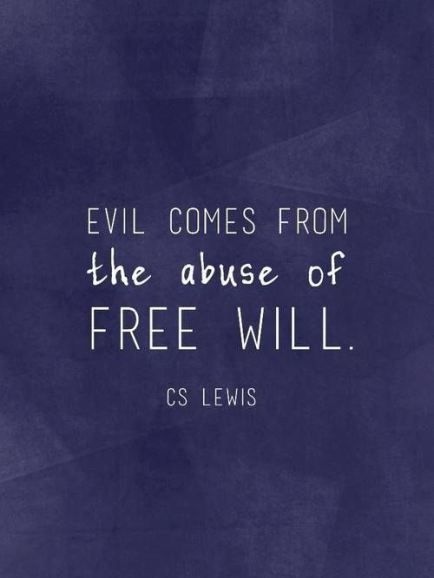
I think a lot about the story of Adam and Eve and the Fall. One of the lessons that I get from it is that it is inevitable that we will choose the wrong thing. That is one of the consequences of free will. It’s sort of like the Bill of Rights–having free speech, the right to bear arms, and freedom of the press means that there are a lot of things that we may have to tolerate that we vehemently dislike. That we consider evil.

The only way I can make sense of the Holocaust is to think of it as an extreme case of how much free will we have. We can choose evil if we want to. We can choose to engage in it. We can choose to pretend we don’t see it. We can choose to do nothing about it. To follow orders, keep our heads down, focus on our own survival. Perhaps it’s extreme to think of self-preservation as a form of evil, but had there not been people who risked their lives, Hitler would have won.

I wish I could say that if I had been alive during WWII, I would have been willing to risk my life to save other people. That I have that kind of integrity and courage. I don’t know for sure, because one of the things I’ve learned from psychology, and personal experience, is that you never know what you’re going to do until you’re there, in that moment.

Sometimes I wish we didn’t have so much free will. That there were some safeguards so that we weren’t capable of doing so much damage on such a grand scale. I don’t know if I trust myself–or others–that much. I mean, there are some warning signs. In many of the near-death experiences books, the people always say that when you’re making the wrong choice, you come across many obstacles that make it difficult, but when you make the right choice, everything goes smoothly. I’ve found that to be true, too. Still, that’s obviously not enough of a deterrent to keep people from doing evil on a grand scale.

But then again, in every act of hatred, you can find many acts of love and kindness. They are powerful. They are healing. They help us move on, choose life, find happiness again. People who have faced horrific tragedies talk just as much about the outpouring of love they receive from people who they don’t even know as they do about their losses. So perhaps if I continue to practice compassion, when the time comes, I will be brave and choose love, even when it’s hard to do. That’s what I’m counting on, at least.

Suffering and Compassion, Part 3

This year I have decided to more fully participate in Lent by reading Wonderous Encounters: Scriptures for Lent, by Richard Rohr, since I got so much out of reading Breathing Under Water. In each chapter, Rohr provides his interpretation of the scriptures for that day, then quotes the scriptures, and then offers a “starter prayer” for contemplation. I have found praying in this way much more fruitful. Although I usually don’t get an answer right away, by the next day I often have some insight that deepens my understanding of God.

One of the more difficult messages to digest in Rohr’s books is that God wants us to choose love, knowing full well that we will suffer as a result. Knowing that it will break our hearts. Because it is only through experiencing love, and the suffering that results from loving, that we can truly understand how much God loves us.

I have to admit, this really pissed me off. Like many people, I wrestle with the question of why God lets people suffer. I write about Easter every year in an attempt to understand the nature of suffering. The best I’ve been able to come up with so far is that God never promised that life would be free of suffering. The fact that Jesus died on the cross makes it explicit that no one is immune from suffering. But, on the bright side, God is with us in our suffering, even when we think he has abandoned us. Which is something, I guess.

But I still don’t want to suffer.

Now Rohr is trying to convince me that, not only must I endure suffering, which is hard enough, but that God wants me to actively and willingly choose suffering as a consequence of love. That this is how we fully understand what it means to be human. This is how we gain wisdom. This is how we can more fully experience God’s love. Those all sound like great things, but it wasn’t exactly making me want to sign up for more pain and suffering.

When I told my brother this, he pointed out how much suffering I was willing to endure for tennis. Which is true. I have written blog posts describing how I’ve had asthma attacks, thrown up on the court, played through depressive episodes and physical pain. I’ve been sick from hunger, dehydration, and heat exhaustion. I’ve experienced humiliating losses. I’ve had bad tennis breakups. But I would never give up tennis just so I could avoid the pain and suffering that are an inevitable part of playing this game that I love so much. Life would be much worse without tennis.

I’m pretty sure God loves us more than I love tennis. Which means he must really love us a lot. And, consequently, suffers a lot. All the time, billions of times over. Regardless of whether or not we choose to love him, or how many times we mess up. Willingly, repeatedly, from now until the end of time, God chooses to love us.

That’s pretty deep.

Who would have thought that tennis would teach me about the depths of God’s love? The benefits of tennis never cease to amaze me.

So I’m experimenting with focusing my intentions on being loving to myself and others whenever I’m in pain. Which is what the practice of compassion is about, after all. It’s going pretty well, I think. It doesn’t make the pain go away, but I guess it makes the pain more bearable. More meaningful. More worthwhile. I do feel happier, more peaceful of late. I don’t feel as anxious and depressed. Which could be because of Daylight Savings Time, in all honesty. But it could also be that the benefits of choosing love really do outweigh the costs.

I guess we’ll see.