Tag Archives: writing

It’s Not Me. It’s You, Part 2

Eleven years ago I wrote my first blog post about anger. That was a tough one to write about because I felt so ashamed of my anger. That I had it at all. That I couldn’t control it. That it didn’t make any sense. And I was angry that when I tried to get support, whatever people said wasn’t helpful.

I didn’t say specifically in the post what my friends said, but since the same thing is happening right now, I’m guessing it was something like, stop being angry. You’re making me uncomfortable. Go over there somewhere so I don’t have to feel it.

I’m not one to attack someone. But if you attack me by telling me something like I don’t know what I’m talking about because I’m just a psychologist and you’re a physician, you should start running now.

Because this is what my dad told me when I became a psychologist. Stuff like, because you’re just a sorry ass psychologist instead of an M.D., you can’t even afford a Mercedes Benz. Because that’s what’s important in life.

He has Narcissistic Personality Disorder (NPD), Bipolar Disorder, trauma, and Traumatic Brain Injury (TBI). Ironically, the TBI is because he was trying to save his Mercedes Benz when it was rolling down a hill backwards and he jumped in to hit the brakes.

These conditions are all examples of Autism. Or Neurodiversity. Or as I like to call it, good ol’ neurospiciness.

Neurospicy people become very easily dysregulated and have a very difficult time knowing what to do to self-soothe. Because they have no idea what they are feeling or what’s triggering them.

Recently I’ve been told 3 times by 3 different physicians that I don’t know what I’m talking about because I am a psychologist and not an M.D. At least that’s how I heard it. But it’s certainly possible that it was something like that and I got triggered and then became dysregulated. Because it was traumatic, hearing that over and over again.

Anyhoo, it inspired me to look up stats on ChatGPT related to clinical psychologists and physicians. Did you know that the percentage of people who say they want to be M.D.s and succeed in doing so is only 6%? So physicians are also neurospicy, but on the opposite end of the spectrum, toward the brilliant end.

Being brilliant is technically “abnormal” too, based on statistical infrequency. But since we value brilliance, we don’t call it a disorder. Disorders are just for things that people do that we don’t like.

It can all get kind of political, really. So I prefer not to pathologize anyone. I tell my clients that we are all just human beings, being imperfect, feeling all the feelings on the spectrum of humanity, doing the best we can trying to figure out how to do this very hard thing called life.

I couldn’t find an equivalent stat for licensed clinical psychologists, but the closest one was that only 7% of the people who apply to research-based clinical psychology Ph.D. programs are accepted. However, you still have to defend your dissertation and pass the licensure exam. So 5%, maybe? Also neurospicy individuals.

People with NPD like my dad are too ashamed to admit to any vulnerable feelings, especially hurt and shame, so they project them onto other people. It’s not me! It’s you! And then they get angry and want to beat it out of you.

When one of my brothers was learning his multiplication tables, my dad was inexplicably enraged that our younger brother, who later turned out to be a genius (also neurospicy), could learn them faster than he could. So my dad told my multiplication-deficient brother that if he didn’t learn them by the time he got home, he would be in trouble. Because there’s nothing like the fear of punishment to enhance someone’s capacity to learn.

Not surprisingly, he couldn’t learn them in the next few hours. So my dad yelled at him, which I could only hear from the other room, but it was enough to make me cry and remember to this day. Then he took him into the bedroom and beat him, which was far worse than whatever I could hear.

When we were young adults, my dad was reflecting on this incident, perhaps out of guilt, and his excuse was that he was afraid that our brother might have a mental disability. Because when our mom was pregnant, she and 2 other female residents in medicine got the measles or something, and the 2 other mothers had children with cognitive disabilities.

Decades later, my dad tells me in a rare conversation of vulnerability and honesty that he was teased for being stupid and “retarded” because he couldn’t read. Which was because he had dyslexia, but that term probably didn’t exist back then. His dad beat him and screamed at him so loudly that all of the neighbors could here it because in the Philippines they don’t have windows.

My therapist thinks that he thought if it were his genes that made my brother have difficulty learning, that would make it his fault. I never really understood why couples argue about whose side of the family this “problem” comes from. It’s not like you get to choose your genes. Or your family, for that matter.

When you don’t want to identify with the aggressor, you think, I’m just never going to get angry. I’m going to be this semi-human stoic superhero! So instead, their anger goes underground. Their drill sergeant and inner critic tell them to “toughen up,” “pull yourself up by your bootstraps,” and carry on, as mentioned in the blog post written by a previous client.

Women also have to suppress their anger because it’s frowned upon in women. Just look at what happened to Elphaba. So instead you try to be a people pleaser and blame yourself for everything. Which is ideal for narcissists.

I think it would be much better if we empowered each other by telling people what they’re good at rather than making people feel bad for not being what you want them to be. But it takes more effort to empower than it does to judge.

But trying not to get angry doesn’t work. You may say you don’t feel it, but it’s coming out, anyway, in ways that you don’t even know about. That’s the kind of denial in passivity. Your anger is hidden from you, but you feel very hurt and undeserving.

I had 3 men angry at me yesterday. The first one actually thanked me when I explained to him that I would rather him tell me that he’s hurt so that I could apologize right away. I told him that anger and hurt go together. That often people prefer to identify with one but not the other, so the other one goes underground. So in reality, we’re hurt and angry at the same time. So he and I are good.

But I was so paranoid after he told me that I hurt him that I sent a flurry of texts, checking to see if I offended anyone, apologizing to everyone just in case.

My partner blamed me for repeating what he said because that’s not what he meant to say and I should have known what he meant before he took 20 minutes to explain it and why are we still talking about this! I’m just going to leave.

So I was like, well, OK, but…can I give you your Christmas gifts since we may never see each other again?

But he called to check on me tonight. So that’s something. He has ADHD so he’s neurospicy.

With my brother, I initiated the conversation because of the aforementioned paranoia. I apologized for being passive-aggressive and saying mean things that he doesn’t deserve to hear. I’m just going to own up to my anger and be honest so that I stop making snide comments.

It turns out he was waaaaayyyy angrier at me and has been holding a grudge against me for something that happened over 4 years ago. Because I didn’t know he wanted me to help him put my kitchen table together. Because he didn’t ask me to. I should have known without him having to say it. I was just weaponizing my incompetence to waste his time, which I clearly thought was less valuable than mine. So APOLOGY NOT ACCEPTED!

Whoa!

Please, people, if you’re feeling hurt or angry, just tell the person. You’re not benefiting anyone by trying not to feel. If he had just said, come help me so that I can show you how to read instructions for furniture that comes from China that are on one page with no words, and the parts come in bags that don’t correspond to the numbers, and the “instructions” are arrows, I would have said, good idea!

By the way, I found this out right before I had to lead a meditation. I was honest about it and said hey, I’m dysregulated and I may cry, but I’m glad we’re meditating together.

Then I got my massage, but it was essentially a therapy session, because I had to pull myself together somehow since I was about to see my partner, my brother, and his wife. I wanted to give her a good tip for just listening and giving me a hug because it was essentially a therapy session with a light massage for self-soothing and connection. Which was exactly what I needed in that moment.

But then, when she tried to run my card, for the fifth time in the past month, some hacker associated with Al-Qaeda had tried to use both my cards that day. If you have an Apple credit card, they will automatically reject even the smallest suspicious activity and change your number on the spot. So I used that card.

But for the other one, I had to call my credit card company again and have them re-issue a credit card again. But you can’t call them back from the number from which they called you. You have to pull out your credit card, look at the back, and call the number for U.S. cardholders. And they ask you really stupid questions about stuff that shows up on their side but not yours and ask you if you can see it, even though they just told you that you can’t. As well as things like, did you make a purchase a week an a half ago for $6 using Apple Pay? And then they say, OK we’ll send this out to you in a few days, so I hope you have another card or money in your account!

I did this credit card thing prior to getting ready for our dinner party. Because I was crying and hysterical, my partner asked me if I was sure I wanted to do this. My drill sergeant was like, yes, you do! You have to make this work! So at first I said yes. And then I thought, no. I don’t have to do this if I don’t want to. I can do whatever I want. So I called them to say I wasn’t up to it and to apologize.

Then I talked to my sister-in-law, since my brother was obviously furious with me, and I told her I had to cancel dinner. I was so upset I couldn’t do it for them. I had grand plans of using fancy china. I had put my Christmas decorations up. I was going to move my space heater to wherever they were sitting because the last time they were at my house they were cold. Because I’m always sweating since everything is triggering my fight/flight response. My partner had already been cooking for over an hour. And because they asked him to prepare a meal rather than hosting us, for weeks he had been planning out the meal, trying to make it just right, and trying to pick something they would like.

I hadn’t even gotten through the list of all the horrible things that had happened to me that day so far. But she thought this was a good time to tell me that I’m out of control, too loud, and too argumentative. And that I should seek psychiatric help. And go back on the meds that made me get surgery for GERD, throw up on the court, give up tennis, sing horribly, and wreck my vocal cords.

She’s a pediatrician. My brother, too. I asked her some differential diagnosis questions about mania, and she admitted that she didn’t know the criteria. But she still knows better than I do about what I need.

Apparently, they had been talking to my best friend behind my back and they all decided that this is what’s best for me. Because over Thanksgiving, when I got into an argument with my brother because he told me I didn’t know what I was talking about because I was a psychologist. And I hadn’t talked to my best friend in over 2 weeks. So none of them had any idea about the horrible things that had happened before this horrible day, because they don’t bother to check on me, even though they were obviously concerned. Unless this counted as their check-in.

I was blindsided and confused. Had they been holding on to their feelings about the argument since Thanksgiving? Is that why she had to tell me at that very moment, no matter how poorly timed it was? Was my apology to my brother interpreted as anger and argumentativeness? Was that the last straw? Had their plan been to come over and ambush me during dinner?

That added the most horrible thing to my list of horrible things that day.

By then, I was so dysregulated that my partner was confused by what they could have said to make me so upset. Seeing me in that state caused him to became dysregulated. Because it reminded him of what it was like when his family argued and he just wanted to make it all stop. So we argued for several painful hours, unable to connect and enjoy each other’s company, no matter how hard we tried. And even though we hadn’t seen each other for weeks and he is leaving for home to celebrate the holidays with his family tomorrow.

And I never even got to eat dinner.

Still, I advocated for myself on the phone. I addressed every issue that she brought up one by one. I told her that I checked in with every person to ask them if they were bothered by my behavior, and they said no, it didn’t bother them. They think I’m great. I told her I’ll talk to my therapist, and if she thinks I should talk to my psychiatrist, I will. I have an appointment with her this week.

But she said that wasn’t good enough. Because I guess they’re the ones who were bothered by my behavior. She trusts the psychiatrist who we share, who is an M.D., and has known me for about 4 years and sees me every 6 months, more than she trusts my therapist, who is a clinical psychologist that I have seen routinely for the past 26 years.

Neither of them are in therapy because they don’t have any problems. She even went out of her way to tell me they have a good marriage. Which was also confusing, since I had know idea what that had to do with me needing to see a psychiatrist.

Those are 2 of the 3 physicians I referenced earlier.

The other interaction with a physician happened during a gathering that was specifically organized so that all my friends in Roanoke could see me. I did something similar with him that I did with my brother over Thanksgiving. I gave him evidence that he’s neurodivergent on the brilliant end after an impromptu question to ChatGPT about how many people who start off pre-med graduate pre-med. Because even though I didn’t know the answer, I know from 19 years of working in a counseling center that the answer is, not many. ChatGPT said 16%. And I said it in the exact same way–loudly, in an argumentative manner, and angrily. Because he said dismissively, you psychologists think everyone is neurodivergent.

I also told him that our current administration and the majority of Americans are clearly not neurodivergent, based on the current laws and lawsuits.

His reaction was to tell me that everyone loved me and he wanted to give me a big kiss. Which was also confusing and disorienting, but not dysregulating. I also texted his wife the next day, who had hosted the party for me, to ask her if I was out of line. Because even being really happy to see your friends can be dysregulating. She said not at all. I love your energy. You’re so smart and I learn so much from listening to you. And I love having someone to scream at the TV with me during a UVA game.

To “support me,” my best friend and partner told me not to be mad that they’re mad that I’m mad because they really care about me. To me, that sounded a lot more like supporting them.

So after a whole day of crying yesterday because nobody wanted to listen to me or believe me, and everyone projected their anger onto me–except my friend who thanked me for the insight–I decided to take a self-care day today, talk to my therapist, and take a break by distancing myself from my stress, like my family suggested. And they are the only stress I am dealing with at the moment.

Oh wait. The other stressor is that I can’t sleep. Which is activating my fight or flight response. So I am running on adrenaline. So I’m actually looking forward to talking to my psychiatrist now.

Serendipitously, at this very moment, I’m listening to a continuing education presentation on when psychologists should make referrals, which is very basic and boring (except for the slide on new meds). She just said that when someone isn’t sleeping, they’re in crisis.

And I’m writing a blog post about it. Because that’s what I did in that last anger post and I said it helped. And I guess this one is helping, too, by giving me something else to focus on. Because taking deep dives into something is also a form of self-soothing for someone who is obsessive-compulsive (also neurospicy).

This is How I Roll

One of the differences between tennis and pickleball is that in tennis you get to be all matchy-matchy. Some women in pickleball wear cute outfits, but they don’t feel the need to match from head to toe and buy multiple pairs of shoes. In tennis, even the professional men on tour like Alcaraz and Sinner match, right down to their socks and shoes.

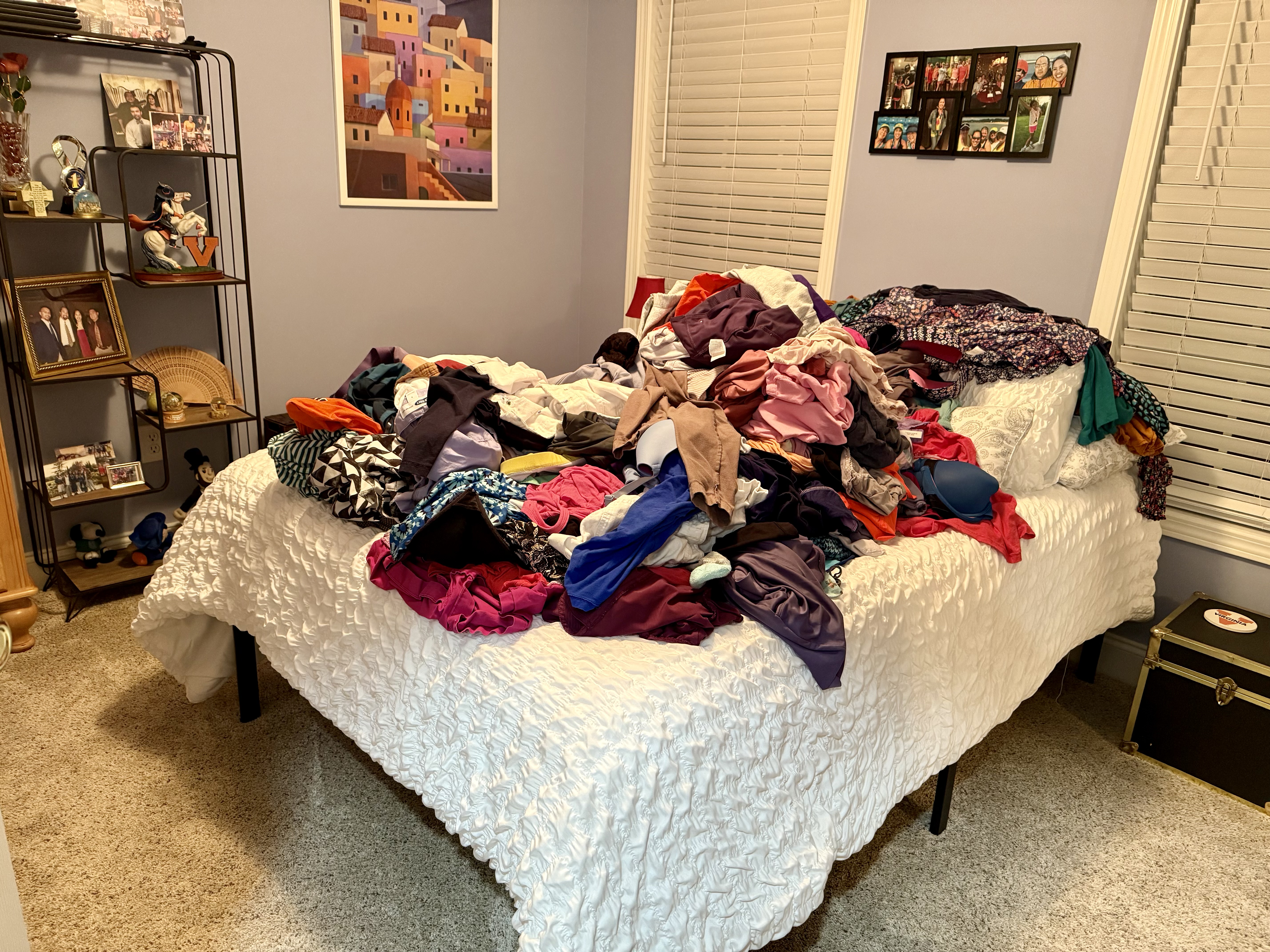
One of my neurospicy characteristics is my OCD, so I always made everything match down to my underwear, even before I started playing tennis competitively in my early 30’s. I am a little less stringent about matching now, since I work from home and all people can see is the very top of my blouse. And I hate folding clothes so they’re just piled in a huge jumble on my guest bed. And I don’t want to spend time sorting through the pile to make sure I can find a pair of underwear that’s going to match my bra and go with my outfit.

But now that I’ve started playing tennis again, my desire to match everything has come back with a vengeance. Last Monday, I decided to wear everything in 2 shades of purple for pickleball–dark purple (my favorite) and a lighter, lavender color. I debated on whether I wanted to go so far as to get my matching purple jacket and my matching purple gloves. Would people think this is too much? A bit over the top?

Ever since I have embraced my neurodivergence, I have changed. Before, I was training to be normal, like Neo being trained by Morpheus in The Matrix, since he was reborn into the real world. I didn’t trust myself. Do I really have power? Can I really be myself? Am I really all that? Neo asks himself this question over and over again, seeking reassurance from Trinity, the Oracle, and Morpheus. The Oracle tells Neo that he’s not ready. That he’s waiting for something. Morpheus says that he needs to believe. He can only show him the path, but Neo has to walk it.

In the end, there are 2 things that help Neo realize that he’s the One. First, he believes that he can save Morpheus and risks his life doing so. Second, Trinity tells him that the Oracle told her that she would fall in love with the One, and she loves Neo, so he can’t be dead. He needs to get back up and fight. So he does. And then, suddenly, he can read the code, and he destroys the Agents effortlessly.

If you haven’t watched the Matrix, I’m sorry I spoiled it for you. But in my defense, it came out in 1999. And if you haven’t watched it yet, what are you waiting for?! This is one of the greatest movies of all time! They just made two references to it in the musical The Book of Mormons, which my family and I watched yesterday. That’s how relevant it is!

But I digress.

Now that I understand what neurodivergence means, which is that some people’s brains are wired differently, I know what my superpower is. I can feel people’s neurodivergence. I have to think about their particular skills, recalling pervious sessions with them, including details they mentioned but we never focused on. The recognition of their neurodivergence, however, is instantaneous.

When I explain to people what their superpowers are, they begin to thrive almost immediately, knowing deep down that what I’ve seen is true. Just like Morpheus knew that Neo was the One.

By the time we have our next session, they have already come up with new ways to self-soothe when they become distressed. This is the biggest problem that neurospicy people have–the neurotypical world traumatizes them on a daily, sometimes hourly, basis. But once you know how to self-regulate, you no longer have to be depressed, anxious, or have a meltdown for extended periods of time. You can do whatever you need to do to self-regulate.

And then you can thrive. Because they know themselves better than I do, once they’ve been shown how to read the code, they fly. Just like Neo. And they, too, become the Ones.

What does all this have to do with me dressing up in 2 shades of purple from head to toe, including my underwear, socks, and outerwear, you ask? Well, I no longer care what other people think of me. I’m going to do whatever makes me happy. And if you think this picture of me is too matchy-matchy, too bad. Because from now on, this is how I roll.

And this is what my bed of clothes looks like. And I still have one more load to do. Which I just put in the washing machine.

Good Coaching

A few weeks ago I wrote a post on what it means to be an athlete vs. being athletic. I had decided to ask other people to weigh in, and I’m glad I did because their feedback gave me a lot of food for thought. They also helped me to feel more like an athletic athlete, rather than an unathletic athlete, even though I’m 12 years older, had hip replacement surgery, and am having to learn how to play tennis all over again.

For me, the next obvious question is, what is it that good coaches do to make these less athletic people so useful? I’ve always been fascinated with the question of what makes a good coach, and in particular, whether a good coach needs to yell in order to be effective. So I asked people again for their feedback, and I thought I would share you what hard core sports fans, coaches, and loyal readers had to say.

Luckily, one coach answered the yelling question directly for me. She said she rarely yelled because she never responded well to yelling when she was a player. I don’t respond well to yelling, either, because of my family history. But maybe some people prefer to be yelled at? Please feel free to to weigh in if you do and help me to understand.

One characteristic that several people agreed upon is that a coach needs to be a good teacher and leader. This includes being inspirational, being knowledgeable about the subject matter, whether or not they were at the top of their sport as an athlete.

Richard Williams, the father of Serena and Venus, knew nothing about tennis or coaching and somehow blazed a trail for two of the greatest female tennis players in the most unconventional way possible. Check out the movie if you don’t know the story. Will Smith got an Oscar for portraying him. But then he punched Chris Rock at the Oscars and that became the focus, unfortunately.

But I digress.

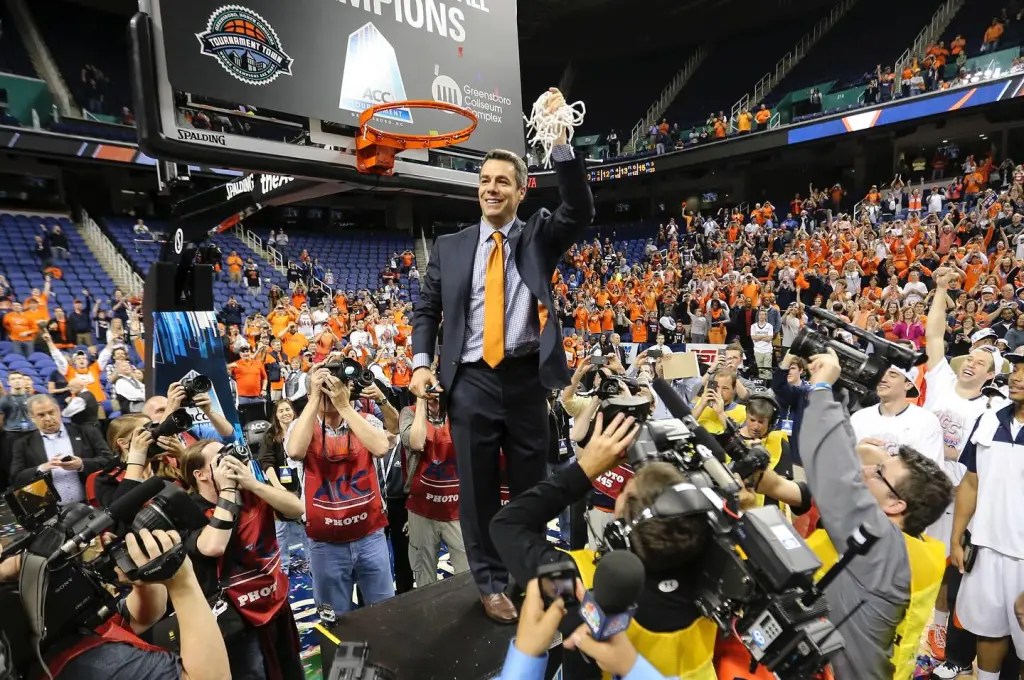
A good coach’s lessons go beyond the techniques and strategies of the game and can be translated into lessons that prepare the athletes for life and are based on core values. In the last blog post I mentioned Tony Bennett’s 5 pillars: humility, passion, unity, servanthood, and thankfulness. This year, UVA’s football coach Tony Elliot is now undefeated in the ACC, the Cinderella story of the college football season so far. His core values are character, humility, work ethic, skill set, and passion for education. Fairly similar core values, don’t you think?

Others identified attunement to their players as an important characteristic. Good coaches are good listeners. They have empathy for their players. They know their players well enough to maximize their talents, keep them motivated, and have the foresight to help these individual players perform better as a team so that the whole is greater than the sum of its parts.

A couple of people suggested that coaches focus less on wins and more on developing players into citizens who will have the skills to navigate the ups and downs of life and thrive.

I find this interesting in that coaches and commentators are always saying how coaches are so perfectionistic–coaching to the very end, even if they’re up by 30 points. Paying attention to the things their players still didn’t execute well. But I guess this is an example of being less focused on the win. A sloppy win is not as valuable to a coach as execution, focus, discipline, and following directions.

I agree with all of these attributes about team coaches. As many of you know, I believe Tony Bennett is the best coach I’ve ever seen. Any commentator who mentions him talks about how he is as good of a human being as he is a coach. His character is never separated from his job.

Josh Heupel was also mentioned as a good coach. If you don’t know about the Tennessee Volunteers, I will tell you that they totally buy into the college team mentality and value their college sports over their professional teams. They are not about making college sports into a business and were upset when their star quarterback last year sold out to a lesser school for the money.

Pat Summit, the renowned female basketball coach who led the Lady Vols to eight national championships is still highly regarded here, long before people took an interest in women’s college basketball. Her record is second only to John Wooden, who has 10 national championship titles. So Tennessee fans value coaches who care deeply about their school, their teams, and their players.

I’ve had the unique opportunity to have 2 female coaches: one in voice and one in tennis. All of my previous voice teachers were male, and very few of my tennis pros were female. With my voice coach, she is so attuned to my body and the quality of my voice that she asks me to make these subtle changes in how I vocalize, like she’s diagnosing the problem. She has even gone so far as to research breathing disorders to figure out why I don’t exhale when I’m singing.

Much of our work has been similar to my work in mindfulness and working with clients who have experienced trauma, as I mentioned in a previous blog post. She is also able to use my strengths to help me get better at the technical areas that need improvement. For example, if I focus on opening my mouth or sticking out my tongue to get a better quality sound, when I apply the techniques to a song I sound worse than usual. I can’t access feelings about the song and how it feels in my body and focus on techniques at the same time. So yesterday she suggested that I pretend I’m singing a song and walk around while I sang the scales. And it totally worked!

My tennis coach is very good at giving me one thing to focus on that ends up solving 3 things that I’m doing wrong. I’ve always had a problem with hitting my forehand too early. While many instructors, and my ex-husband, have pointed it out, no one has told me how to stop doing it. Once I tried using the timing of the sound of the ball bouncing and when my ex hit the ball. And guess what? She told me the timing should be bounce-hit. Maybe I just think that’s brilliant because I thought of it myself, but she is the only one who gave me something specific to focus on other than just saying don’t swing too early.

My tennis coach acknowledged that sometimes people just look at what the stroke looks like and not the idiosyncrasies of what the person may be doing. Shortly after saying that, the boy who was receiving a lesson next to us was grunting, and she asked him why he was grunting. His instructor then asked him if he was, in fact, grunting, and the boy admitted that he was. The instructor then asked him why and the boy said he didn’t know. And then he resumed the lesson without addressing the grunting.

Which I thought it was hilarious.

So even in individual coaching, the same principles apply. Coaches are highly attuned, good listeners, pay attention to details, are flexible and willing to try different strategies. I’m not anywhere close to winning anything in tennis at the moment. And I don’t even know what that would mean to win in singing. But I know that I am learning a lot more than just how to sing and play tennis again.

I’m Ready to Write My Book!

Photo by Mike on Pexels.com

Last week on September 24 my blog turned 12. I have learned a lot about myself, relationships, human nature, love, and life through blogging. But that wasn’t the reason why I started my blog. If you’ve been reading it since I started it, then you already know that I started a blog because I wanted to write a book. But no one had ever read any of my writing, so I didn’t even know if I was any good at it.

Well, now I feel pretty confident that I can write in a way that sounds like me. I’m less focused on being good than I am on being authentic. And my posts are definitely authentic. Thank goodness you have to take a deep dive through hundreds of posts to know what all my flaws are. And for those of you who have done so, thank you for letting me know how helpful it was to hear about my flaws rather than judging me for them. I had no idea that I would be helping so many other people in the process of learning how to be vulnerable, as Brené Brown suggested in Daring Greatly.

Since my hip surgery, I have unconsciously been doing things that have been moving me closer to writing my book. First, instead of resting during that first week after surgery, I was asked to write an article for an online magazine on any topic of my choosing. So of course I chose mindfulness. And since my family was taking care of me at the time, I read the article to them to get feedback from people who knew nothing about mindfulness. My sister-in-law was especially helpful in terms of the questions she asked me about practicing mindfulness.

In the second week of recovery, because working full time 2 weeks after surgery was not enough productivity for my drill sergeant and inner critic, I also started making short videos of the epiphanies I was having about my recovery. All of the epiphanies are rooted in mindfulness and self-compassion, not surprisingly. I thought making videos might also be helpful in securing an actual assignment as a UGC creator.

The third thing that happened is by the 5th week of recovery I hit a wall. I had been working more than I did before hip surgery and was pushing myself on the weekends socially and physically. I realized that it was my blog anniversary last week and I was still struggling to practice self-care and set boundaries–2 of the major topics I blogged about. This epiphany made me step up my game and finally give myself permission to move to 4 days a week in January 2026. That way, I won’t have enough hours in the week to say yes to everyone.

Part of what enabled me to do this is that, despite taking a lot of days off and having a lot of medical bills, I was still able to pay all my bills without using any savings. I think I might have even added a little to savings. So I finally got God’s message: I don’t have to worry about money.

The final sign that I’m ready to write my book came while I was reading “The Let Them Theory.” So many of my clients have mentioned the book and said they found it helpful. And I can see why it’s helpful. It simplifies one of the basic tenets of mindfulness practice, which is called equanimity. The mantra for equanimity is “may we all accept things as they are.” This means 2 things: 1) accept the ups and downs of life, our moods, our successes and failures; and 2) accept that although we may want people to change, we can’t take responsibility for their behavior.

So “let them” eat junk food and watch TV all day. And “let me” learn to regulate my own emotions about losing them to a heart attack. I have recommended the book to many clients since reading it, and I recommend that you read it, too, if you find it hard to let go of controlling other people.

Although I liked the book for my clients, for me personally, I recognized that the Let Them theory is not really a theory. It’s more of a mantra. She admits in the book that she came up with the phrase and found it helpful. Then, after the fact, she found experts who could tell her why it’s helpful and mentioned them briefly in the book. As a psychologist, I prefer books that are rooted in theory and/or research, like The Anxious Generation, which I also highly recommend if you’re wondering why going on social media makes you feel like crap but you doom scroll for hours a day, anyway.

Plus, the goals she suggested in the book are often materialistic and superficial in nature. Which is fine, in that people can set whatever goals they want. I admit, when I first had the idea of writing a book, I wanted fame and fortune. I think that’s why I wasn’t ready to write it. Because those weren’t the appropriate goals for me. I’ve never prioritized making money. I often regret that I didn’t prioritize it, and because I didn’t, that’s why I’m always worried about money. But the truth is, I know what my purpose is. It’s to help people.

For me, mental health isn’t about being sick. People need therapy because life is hard and full of trauma and tragedy. We need help in identifying our values, having some kind of spiritual practice, prioritizing play and creativity, and learning how to love and be loved.

What I am meant to do in this lifetime is help more people find their purpose without having to see each of them individually in therapy. So once I start my 4 day work week, I will start writing my book, which will be called something like How to Practice Mindfulness in Everyday Life.

If you’re interested in watching the videos I’m making, I’m including the latest one below because it’s probably the one that best shows my personality–unatheltically athletic, determined, goofy, and relentlessly optimistic.

Oh, and feel free to follow my Instagram page as well, so that you’ll know when to buy the book!

Hip Recovery Update

For those loyal readers following my hip replacement surgery, I wanted to give you an update.

Despite not playing pickleball, not being able to go to barre classes with my family, and being far less social this summer, I was in fairly good spirits until a few weeks before surgery. I had to start asking for help from my family, and I hate asking for help. Or perhaps it would be more accurate to say that I don’t like asking for help because I’m sensitive to rejection. My inner critic is always telling me no one cares about me, so it’s easy for me to interpret people’s actions as not caring.

In addition, my surgery got moved up by a week. To most “normal” people, that would be good news. But I had been planning for 3 months to have the surgery on a particular day, and the change required me to cancel additional appointments, cancel my friend’s visit–which I had been looking forward to all summer–and stop my pain meds immediately. Not that they were helping. But still. It required a lot of change.

I was also dreading feeling more pain than I was already experiencing, since it had become excruciating. And I was determined to do my exercises every day until the surgery. I ended up skipping my exercises the night before surgery because I had to wake up super early and by that point it seemed irrelevant.

The good news is that I was super relaxed and joking with all the staff, nurses, and doctors while I waited for my surgery. I fell asleep before they even started the anesthesia because they gave me something for anxiety. And after I could feel my legs and they made me walk, I walked effortlessly. And because they gave me an epidural, I wasn’t in pain until about 12:30 am Saturday morning.

I have to admit, the next 2 days were pretty excruciating. Mainly because I was trying to be compliant and get up and walk every hour or 2 while I was awake, and it was torture getting on and off the couch. l only used the pain meds to sleep because I was so paranoid about addiction, so mainly I sucked it up. Luckily by Monday I was good.

This was also when I had my first PT session and he said I was in the top 5% of people in recovery. And you know how I like getting A’s. He said I didn’t need to use the walker anymore and that I would be able to drive later in the week, which is 3 weeks earlier than expected. And as he predicted, by Thursday night I moved back home and by Friday I was walking unassisted and drove 3 times.

My progress has continued to improve rapidly, but because my entire body had been compensating for my hip, I have become more aware of my back pain, which had been present before the surgery but I guess I didn’t register it. But since I dove into work the second week because of my irrational fear of not having money, I had a knot in my back that I had to try to massage and stretch out 5-6 times a day. I would have much preferred to take all the time I had set aside to be off and watch the U.S. Open but the drill sergeant was not having it.

On a positive note, my friend did get to visit me over Labor Day weekend, which worked out better because I was able to walk and drive. We even went to Anakeesta, which ended up being a bust. But I made a video about it that I thought was funny, even if no one else on the trip did.

I’ve learned a lot of lessons from this experience, some of which I’ve shared on my Instagram page if you want to check them out. But I’ll share theme here, too.

  1. People care. As always, when I’m vulnerable, my inner critic is the loudest, but it is always wrong. My family took great care of me. My friend drove for me and gave me tons of positive reinforcement. My friends checked on me. Even my clients asked about me. It’s true that it is an illusion that we are separated from love. We are always connected.
  2. Pain tolerance is a mixed blessing. Had I gone to the orthopedist sooner, like 3 years ago when I had planned, perhaps I could have delayed my surgery. But if it weren’t for my determination to be as strong as possible and do the exercises for 3 months before my surgery, perhaps I wouldn’t have recovered so quickly.
  3. Patience is a virtue. I argued in a former blog post that it is not, but that’s because I was, and still am, impatient. But having to wait for hip surgery, and having to wait another 4 weeks to play is helping me practice, and I think I’m the better for it.
  4. I have much to be grateful for. It’s true that in any given moment, we can look at what we don’t have, or we can look at what we have. We can look at both, even, and perhaps that’s the better option. Rather than “bright-siding” it, which is dismissive of our pain, we acknowledge everything and then decide what in this moment we want to focus on. Right now, the thing that keeps me going is the hope that I can play tennis again, after 6 long years of not being able to. And even if I can’t, I want to be active and see my friends again.

Birthday Reflections, Part 2

You know how people ask you how you feel to be a year older and you usually say the same? Well this year I felt great! And I haven’t felt great in a long time. Which is why I haven’t written a blog post about myself for a few years. So I figured it was time for an update.

It’s been almost 4 years since I’ve moved, and it has taken a long time for me to feel like myself again. Like, in the past few months I had gone through a long depressive episode that was the worst I had ever experienced. And I was already feeling pretty bad, since I moved because I was under so much stress I thought I was going to die before I got to retirement age. So to think that things were going to get better and instead have them get worse for 2-3 years really made me question my relentless optimism.

But I still pushed myself to make a life here–without friends who I considered family, without tennis, which was my life, without financial security, and without a partner. I did lots of things out of my comfort zone. I went to Meetups. I forced myself to go to fitness classes. I started playing pickleball even though I sucked at it. I went on dating apps even though I hated it.

The only things that were successful were pickleball and dating apps. I have made some good friends now, and I met someone who I’m still seeing. He’s a lot younger than me, which was hard to reconcile at first, but now it actually helps me feel younger. In my first birthday blog post I said that I didn’t feel that mature, and I still kinda don’t. Maybe it’s because I am so in touch with my inner child. I don’t know if the relationship is going to last, but I’m becoming more comfortable with not knowing and just accepting what is.

I’m also trying a lot of new things this year, which is also helping me feel more joyful. I’m into Lego flower sets, in addition to my other hobbies. I signed an acting contract with a local talent agency in December and last month I signed a contract as a UGC creator, despite not having any acting experience or not knowing what a UGC creator was. So it’s been an interesting journey. I’m not expecting to make a lot of money, but it gives me other ways to express myself and be creative. And just to see what happens without any expectations.

For my birthday, one good friend came down to visit me, another good friend sent me a meal, the guy I’m seeing came down to surprise me, and I celebrated dinner with my family and with one of my pickleball groups. So I ate well for several days. And all of the Happy Birthday wishes really moved me. I feel so grateful that people took out time to wish me happy birthday. Sometimes several times. Although that might have been an accident. I do that, too. Now I understand what senior moments are. Or what I like to call brain farts.

The other evidence that I’m getting older is that I’m scheduled for hip replacement surgery on August 21. I’ve obviously had arthritis for decades, and I knew my hip was hurting, but I didn’t realize how advanced it was until I fell while playing pickleball back in January. We were going to Disney World in February and I was going to have to walk 20,000 steps a day, so I decided to go to an orthopedic doctor. For some reason, it never occurred to me that the pain could be arthritis. Even more shocking was that it was so advanced that he didn’t think the injection would help and that I would need hip surgery soon. I didn’t believe him but he was right. The first injection lasted just short of 3 months, and the 2nd injection didn’t work at all.

Despite these telltale signs of aging, I’m still in pretty good spirits about it. The prognosis looks good. I should be able to return to pickleball pretty quickly. And I have people to look after me while I’m healing. Financial insecurity and not having anyone to rely on have been 2 of the biggest anxieties of late. It turns out I don’t have to worry about either. For now.

But that is another place where I’m trying to practice mindfulness and be in the moment. My favorite quote is that mindfulness is the process of constantly letting go. Maybe one of the reasons I started practicing is because I knew it was going to be hard to let go of all of the things you lose in life. And to accept all of the things that I had already lost. Plus I wanted to be aware of all of the things I still have to be thankful for. And since I’ve started practicing lovingkindness as well, I’m better able to feel other people’s love rather than question it, worry about losing it, or be anxious about not being loved at all.

I also mentioned in my first birthday blog post that having people read my blog was a gift that I had not anticipated. People would tell me how much it meant to them, when I was just sharing the things that made me feel so flawed. I had no idea how great that would feel. Now I only write occasionally, but people still read my blog, even though I do nothing to promote it anymore. And I’m thankful for that, too.

So brain farts and hip replacement surgery vs. all of the love and new experiences I have in my life. I’ll take that ratio. And speaking of numbers, 56 is divisible by 2 and 7, and is therefore not a prime number. If you read my first birthday post, you know how I feel about prime numbers.

Can We Really Learn From the Past?

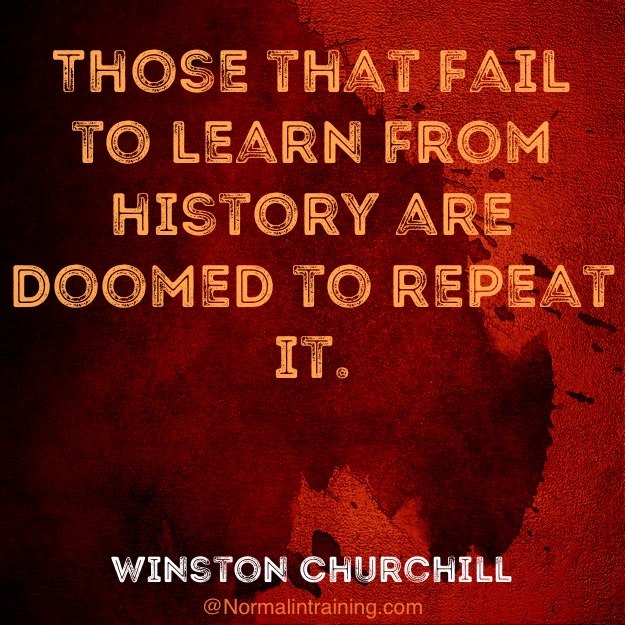
We are facing a difficult time in American history. A time that is eerily similar to previous periods of history where lots of bad things happened–in our country and around the world. People often say that we study history so that we can avoid repeating it. But I’m not sure that’s a given. Take the Bible, for example. In Genesis we learn early on about a sibling rivalry that turned murderous. And when God asked Cain where his brother was, he asked sarcastiically if he was his brother’s keeper. So murdering of family members, denial, lies, and gaslighting have been around for the entire existence of the human race.

Moreover, when Jesus was preaching about how to enter the kingdom of God, he did not primarily use history lessons from the Old Testament as teaching tools. He didn’t have a parable on the Ten Commandments that talked about how not killing others came from the first murder with Cain slaying his brother Abel. In fact, he primarily utilized parables about made-up people like the Prodigal Son, the Good Samaritan, and that poor guy who made a donation even though he had nothing, and therefore will more likely make it to the kingdom of God than some rich dude who donates a lot of money.

For those of you who don’t take the Bible literally or don’t see it as a historical text to be studied in this manner, I’ll use some examples from history. While it’s true that I’m no historian, I read a lot of historical fiction, and I’ve learned a lot more about history from books than I ever did in history classes. And in piecing together all the information I’ve learned from different books, it has become clear to me that war never ends. There is rarely a period of peace before we have to worry about another enemy who we eventually end up fighting.

For example, I just finished reading The Huntress, by Kate Quinn, which I highly recommend. This is not an important detail of the story, so just as a heads up, I’m not ruining anything for you. I learned from the book that after WWII, the US was not particularly concerned about bringing Nazis to justice. That was in the past, and we should just forget about it and move on. In addition, I remember from the movie Oppenheimer that even before we got involved in the war, we were much more worried about Communists. And as soon as WWII was over, we went back to snuffing out Communists. And this fear of Communism eventually led to another war, the Vietnam War, among other related wars around the world, without a whole lot of peace resulting from the war that was supposed to end all wars.

As a psychologist, I do feel confident in my observations about whether knowing about our personal history can help us from repeating our past, both from a personal perspective and from being a licensed therapist for 25 years. Spoiler alert: the short answer is yes, it’s possible, but it’s not easy, and in my opinion, not common.

A lot of psychologists have discredited Freud, the grandfather of talk therapy, but he actually made some fairly astute observations, in addition to his wacky ones. One of the astute observations was the idea of the repetition compulsion. This term refers to a pattern of behavior in which we continue to choose partners who are similar to someone from our past where the relationship didn’t go so well. Usually this person is a parent, since they are the first people we have a meaningful relationship with. Often this repetition is unconscious, and our goal, unbeknownst to us, is to have a similar relationship to the one from our past and to have it turn out better than it did the first time. We believe this will give us some sense of mastery, some assurance that it wasn’t our fault, a sense of agency, and hope that that not everyone who is broken (our parent, ourselves) is doomed to a miserable existence. Unfortunately, usually what happens in a repetition compulsion is that things turn out exactly as they did in the past, and we end up getting hurt over and over again in the exact same way.

One of the goals of therapy is to help the person see that they are making the same mistake over and over again in their choice of partner so that they can learn to choose something different and have a chance of a different outcome. But this is not easy to do. People like Cain, who hurt others and use denial, lies, and gaslighting to blame others for their mistakes, don’t usually go to therapy, and when they’re forced to go they don’t usually benefit from therapy. They don’t learn why they were so jealous in the first place, and what they can do besides murdering people when jealousy arises. So the violence usually gets repeated.

Even with the people who are sincere about wanting to change, to learn from their mistakes, change happens very slowly. Take me and my blog, for example. If you’ve been reading it all these years, then you know that I keep making the same mistakes over again, despite practicing, being in therapy, being a therapist, and writing about my experiences. Have things gotten better? Yes. I’m way better off than before I started therapy, my blog, my job, and my mindfulness practice. But it has taken a long time. And I’m still in therapy. And I still keep making the same mistakes.

Changing history is akin to making a big life change, like changing your eating and exercise habits because you’ve had a heart attack. It’s a lifelong practice that you have to work on regularly. The more effort you put in, the sooner you see results, but it will still take a while. And as soon as you stop putting in effort, you lose all your progress and have to start over again.

So can we learn from our mistakes and keep from repeating history? Yes, but it will require hard work. And we all have to be on board, because like in the military or as a member of a sports team, one person’s mistake makes the whole group suffer.

Going back to the Bible, the best way to start is by taking Jesus’s non-historical advice: rather than looking at the speck in your brother’s eye, pay attention to the log in your own eye. In other words, spend less time worrying about what’s wrong with what other people are doing and think about how you can free yourself from your own mistakes.

P.S. For a closer read on the sibling rivalry between Cain and Abel, check out John Steinbeck’s East of Eden.

It’s Time

So I had been on a pretty steady writing roll at the beginning of the year, publishing about a post a week, when something unfortunate happened. My psychiatrist thought that my antidepressant wasn’t working so she recommended that I taper off of it. She thought the problem was that I have PTSD and should do some trauma-based therapy instead.

My therapist didn’t think it was a good idea to taper off my meds while depressed without adding anything, and she did not think trauma-based therapy would be helpful at this time. I completely agreed with her. I’m not used to having my providers be on different pages. She and my previous psychiatrist used to work closely together and often gave each other updates. I try to do what my doctors tell me to do but I was at a loss as to how to do so in this case. So I listened to my psychiatrist about the meds and went down on my dose, and I listened to my therapist about the therapy and did not start trauma-based treatment.

Guess what happened? My therapist was right about both things. She has known me for over 20 years, whereas my psychiatrist has known me less than a year. My therapist also has more than 40 years of clinical experience, and my psychiatrist is at the beginning of her career. So really I should have just listened to my therapist from the get go. I don’t really know why I didn’t. It was a costly error in judgment because I got severely depressed and anxious a few weeks after lowering my meds.

In a previous post, 50 Shades of Blue, I talked about how there are a lot of different flavors of depression. When my psychiatrist thought my meds weren’t controlling my depression in March I was still highly functional and I didn’t think it was that bad, relatively speaking. Maybe a light to medium blue. At the lowest point of this depressive episode in April I would describe it as an inky blue-black. Things got better for a little while in June but then by July my depression was more of a cold grayish blue.

What really sucks about going off of your meds is that simply going back up on them doesn’t correct the problem. Sort of like how it takes months to lose weight but just a few weeks to gain it all back. So for the past 5 months I have led a fairly marginal existence, mainly saving up my energy for my clients and working on self-care. I would try to get a little exercise, some sunlight, meditate and pray, eat, see my family. I even started playing pickleball, because it’s easier on my body than tennis, and I could have some social interaction, since I don’t have friends here yet. But I could not get myself to write. Could not blog, write in my journal, or even jot down writing ideas in my Notes app.

But here’s the good news. A week and a half ago I suddenly decided that it was time to write my book, and I knew this meant I was finally getting better. If you’ve been with me since the birth of my blog, which was almost 9 years ago, you know that the purpose of this whole endeavor was to get me to write a book. And now that this goal feels like my destiny again I finally feel alive, fully like myself again. I write in my journal. I read books on writing books. I jot down lots of ideas for posts and chapters. I’m blogging at this very moment. There are interesting ideas in my brain other than worrying about my lack of funds and when I’m going to start my new job. I feel joy and excitement rather than feeling empty and dead inside. I finally feel awake.

I’m sharing this with all of you because if it weren’t for you, dear readers, I would have never been ready to write my book. I would have never known whether or not what I had to say was interesting or funny or meaningful or relatable. I wouldn’t have felt the joy of having someone tell me that sometimes they feel the exact same way and it gave them comfort to know that they’re not alone. I wouldn’t have received the encouragement to write the book that many of you have given me. I’m going to continue to rely on you for support as I go through this process. In fact, in next post I’m going to ask you a favor, so I hope you’ll participate.

Old School or New School?

record player2

Did you know that record stereos and Polaroid cameras are making a comeback? I’m assuming they are meant to appeal to my generation, although my niece’s 10 year old friend got a Polaroid camera for Christmas. It definitely makes me nostalgic for my teenage years, when I would hang out in my room listening to my record albums for hours. I have considered buying one, since I still have all my old albums, many of which are so obscure you can’t even find them on iTunes. But I’m sure the sound isn’t as good, and it takes up a lot more room than my phone does, which has thousands of songs on it.

The same is true with pictures. I don’t have photo albums anymore because it’s a pain to get pictures developed. And you have to pay for them. Much easier just to have photos on your devices and scroll through them. I have my phone with me at all times, so it’s much easier to show someone a picture that way, rather than inviting them to my house and having them look through my albums.

My sister-in-law bought me the Michelle Obama book for Christmas, but I had just bought it on Kindle the week before. She asked me whether I preferred books or Kindle. I love holding books in my hand, flipping through the pages, seeing them on my shelf. I liked going to Barnes and Noble and seeing tables stacked and organized by type of book. And I liked the free cookie from Starbucks that I got after my purchase. Well, it was buy one get one free so it was more like half off.

However, my eyesight is not what it used to be, so I have to wear reading glasses. And if I accidentally take my contacts out too early, I have to do this goofy thing where I put my reading glasses on top of my regular glasses, which isn’t very stable. On Kindle, I can just increase the font. I can also look up words, highlight passages, and type comments. In a book, I just dog-ear one corner of the page, so it’s pretty hard to go back and find a quote. But I buy both, so I am middle school on books.

I really love the idea of writing by hand. In theory. Putting a pen to paper makes whatever you’re writing more meaningful. Last year when I read my old journals, seeing my handwriting gave me a better sense of what I was like at that point in time. It’s as though some of my personality got communicated through my script.

But all I ever write these days is my signature, and I usually just make a bunch of squiggly lines, because the merchants don’t check to see if you signature matches the one on the back of the card anymore. And I have a long name. I’ve tried to write journal entries by hand, but I can’t go more than a paragraph before my handwriting deteriorates. After a while, I can’t write in straight line. My script gets bigger, loopier, and finally completely illegible. It was impressive to see how small and straight I could write in my journal for pages and pages of entries without a single hand cramp. I’m definitely new school with writing. It’s much easier just to type everything.

I went shopping with my niece after Christmas. It was a great day, and it made me happy that Sadie said it was the best day of her life–so far–because we ate brunch and dinner at her favorite places, she found almost everything she was looking for, we got a pedicure, went to the bookstore, ate a buy one get one free cookie.

But I hated the crowds. People sometimes shout profanities at me in the parking lot because I’m not looking where I’m going when I’m driving. I hated standing in the checkout line. I refused to give my phone number to the salespeople, and sometimes they were downright pissed off about it. Apparently it threw off their script of talking me into getting a rewards card, where I could get cash back someday after I bought a lot more merchandise. Much easier to just buy it online. Especially if they have free shipping and returns. So I’m new school on shopping.

Actually, after writing all this, it looks like I’m new school in general.

How about you? Are you old school or new school?

Accepting Love

I always find reading previous journal entries enlightening. Here’s an excerpt from 7 years ago about my struggle to be “normal”:

There’s always this doubt that I’m doing things right. Like if I’m passing for a normal human being. I have to learn what normal people do from observation and piece it all together. Like maybe the way someone feels when they have a learning disability in a non-disabled world. You kind of don’t want to have to point out to people that you don’t get it so you pretend that you do.

A clear precursor to Normal in Training.

I mentioned in my last post that I’ve been reading journals from way back. Once I got past the entries about Rick Springfield and started having real relationships, it was difficult to read some of them with compassion because I was so frickin’ crazy. I know I still struggle with accepting love, but back then I was downright out of touch with reality.

In one entry, a friend of mine would repeatedly call me in the middle of the night to tell me that he loved me. Granted, he was drunk every time, but based on my experience in working with college students, it is when a person is drunk that they often reveal their deep, dark secrets. I have an eating disorder. I think about suicide. I’m in love with you.

My response in my journal was, I wonder what he means by that? I’m going to have to ask him next time. As I read this, I was like, what the hell is wrong with you? Are you delusional?! Is it not obvious what someone means when they tell you they love you? And then the next line was, why doesn’t anyone like me? Which was even more maddening to read. No wonder my ex boyfriends would tell me that nothing was ever enough.

I get it now, though. I couldn’t take in anything good. I didn’t believe I was lovable, and there was nothing that anyone could say to convince me otherwise.

I have been depressed for the past few weeks because, even though I did a much better job of saying no and conserving my psychological energy, eventually my work load was beyond what I am capable of carrying. Because I have such good friends, many of them recognized the signs (not being social, turning down tennis) and checked on me, invited me to dinner, sent me food. Because they know me well enough to know that I never have food.

It was difficult for me to accept their love. I have the same reaction to love as I do to pain. I can feel myself tightening up, trying to brace myself against it. It’s the craziest thing. But since I was practicing mindfulness, I did what I do when I realize I’m trying not to experience pain–I let myself feel it. Consent to it. I imagined giving the love space, letting it move within me and around me, and to express itself in whatever way it wanted to. I told myself that it was OK to let them love me.

I often tell clients that receiving love is not selfish. It is a gift, and refusing it hurts the person who is giving it. That it is more generous to accept it with gratitude than to tell the person that you don’t deserve it and list all of the reasons why. I actually told a client this yesterday.

I also told a friend that this is what I’ve been trying to do to make myself feel better, so now he reminds me that I have great friends who love me, and that I need to let them. Which pisses me off. Because even though it’s good advice–my advice–I still don’t like to be told what to do. He knows about this flaw, as well as all of my other flaws, but he loves me, anyway. I’m trying to let myself believe that, at least.

And you know what? It really did help. So I’m going to add it to my list of strategies of what to do when I’m depressed–to let people love me.